

The Land Transport Authority (LTA) is rolling out a new AI system to keep bus lanes clear, as detailed in the Bus Safety Tripartite Taskforce report released in March 2025 on the Ministry of Transport (MOT) website. This technology aims to catch vehicles using bus lanes during restricted hours, ensuring buses run smoothly and safely. Here’s what drivers need to know to stay compliant, with insights drawn from the MOT’s Taskforce report.
Overview of the AI Enforcement System
The LTA is testing an AI system that scans footage from cameras on public buses to spot vehicles in bus lanes during restricted hours, typically 7:30 AM to 11:00 PM on weekdays, though timings can vary by location. Bus lanes, marked by red lines, are reserved for buses, taxis, and specific exempt vehicles only. The AI processes footage in real time to identify offenders, who may face fines or notices. While specifics on how the system integrates with LTA’s enforcement database are not detailed, it’s likely designed to issue penalties efficiently.
The LTA is also encouraging bus captains to report violations like illegal parking or unauthorised bus lane use. This combination of AI surveillance and human reporting creates a robust system to keep bus lanes free for public transport. It’s all about ensuring buses stick to their schedules without disruptions.
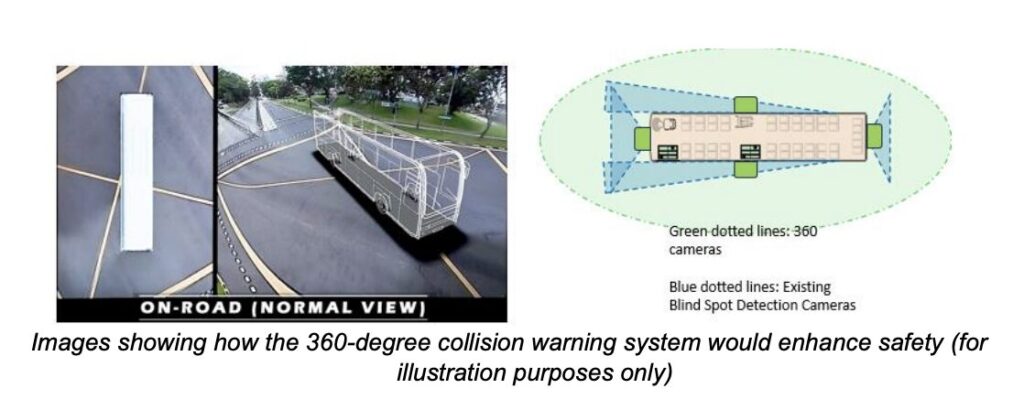
The Taskforce report, available on the MOT website, supports this by recommending fleetwide AI-assisted 360-degree collision warning systems on buses to eliminate blind spots and provide real-time alerts for potential collisions. These systems tie into bus lane enforcement by using camera footage, making the AI a key part of a broader safety push.
Purpose of the Initiative
The AI system is part of LTA’s effort to make public buses more reliable and safer. Bus lanes are crucial for keeping buses on time, especially during rush hours when traffic gets heavy. When cars use these lanes, it delays buses, disrupts schedules, and affects commuters. The Taskforce, formed in July 2024, engaged over 5,900 stakeholders, including 2,300 public members and 3,400 bus captains through surveys, plus focus groups with over 200 people, to review bus safety.
The Taskforce found that serious bus accidents have remained stable, but there’s room to improve. By using AI, LTA aims to reduce violations and keep traffic flowing smoothly for buses, benefiting the entire road network by easing congestion. The report emphasizes supporting bus captains with better tools and conditions to prevent lapses, and the AI system is a key step in this direction.
For drivers, this means more accountability. The system is designed to deter anyone from using bus lanes as a shortcut, so understanding its purpose helps us see the bigger picture and drive smarter.
Implications for Drivers
The AI system introduces stricter oversight of bus lane usage for Singapore drivers. Whether you enter a bus lane by mistake or on purpose, the AI can identify your vehicle through camera footage, potentially leading to a fine. Bus captains are also reporting issues like cars stopping or parking in bus lanes or near bus stops, increasing the chances of getting caught.
Bus lane rules vary by location, with some restricted only during peak times, so drivers on unfamiliar routes need to stay alert to avoid penalties. The system is in its testing phase, but a full rollout could come soon, heightening enforcement.
The Taskforce report adds that advanced bus tech, like anti-fatigue systems with eye-tracking, will keep captains more alert, reducing accident risks for all road users. It also recommends rear electronic displays on new buses to signal movements clearly, helping drivers like us anticipate bus actions. This means we need to watch for these signals and give buses space to maneuver.
Practical Tips for Compliance
Check Bus Lane Signage
Bus lane hours differ across Singapore, so always check signs, especially on new routes. Some lanes are active all day, while others only apply during peak hours like morning and evening rush. Missing a sign could get you flagged by the AI system.
If you’re unsure, assume the lane is active and stay out. Signs are clear but easy to overlook when you’re in a hurry. Taking a moment to read them can save you from a fine.
The Taskforce report calls for more publicity about bus facilitation features like priority boxes at stops. Expect clearer signs or road markings soon, so staying alert to these updates helps you comply and supports the safer road environment they’re aiming for.
Use Navigation Tools
Apps like Google Maps or Waze are great for avoiding bus lanes. They often show lane locations and operating hours, giving real-time alerts to steer clear. These tools help you navigate around restricted areas, especially during busy times.
Keep your app updated for the latest road info. Setting it to warn about bus lanes can help plan your drive and avoid violations.
The report mentions using AI for pothole detection via bus footage, which could feed into navigation apps for updates on road conditions. Using these tools is like having a guide to keep you clear of restricted lanes and road hazards.
Plan Routes Strategically
Planning your route ahead can keep you out of bus-heavy areas, especially during peak hours like 7:30 AM to 9:30 AM or 5:00 PM to 8:00 PM. If your drive goes near busy bus routes, find an alternative path to avoid risks.
Mapping apps can suggest routes that skip bus lanes, or you can stick to main roads where restrictions are less likely. A bit of planning makes your drive smoother and stress-free.
The Taskforce recommends capping new bus routes at two hours and reviewing longer ones, with 111 routes adjusted since August 2024 for better timing. This might shift bus paths slightly, so planning around these changes keeps you clear of evolving restrictions.
Exercise Patience
When traffic is slow, it’s tempting to use a bus lane, but with AI cameras watching, it’s not worth the risk. Staying in your lane, even if it takes longer, keeps you safe from fines and supports bus schedules.
Patience also means giving buses space, especially at stops or junctions. Cutting into their lane can disrupt their flow and draw attention from the AI or bus captains.
The report suggests improved torque management to make bus starts smoother, reducing sudden movements for nearby drivers. It also recommends on-bus safety announcements to help passengers hold on, letting captains focus on driving. Staying patient supports this calmer traffic flow.
Stay Informed
Keeping up with traffic updates, like this AI system, helps you stay prepared. Share news with other drivers to spread awareness about these changes. The more we all know, the fewer mistakes we’ll make on the road.
Follow LTA announcements or check the MOT website for the latest on road rules. Joining driver forums online is another way to get tips and updates.
The Taskforce report details plans like a training points system for bus captains and tiered incentives for safe driving based on accident-free mileage. It also pushes for better road works management, like higher penalties for non-compliant contractors. Staying informed about these keeps you ready for changes in how buses and roads operate.
Broader Context and Future Outlook
This AI system is part of LTA’s push to modernize Singapore’s transport network. By using tech, they’re aiming for a safer, more efficient road system. Bus lanes are vital for reliable public transport, which reduces congestion for everyone, not just bus users.
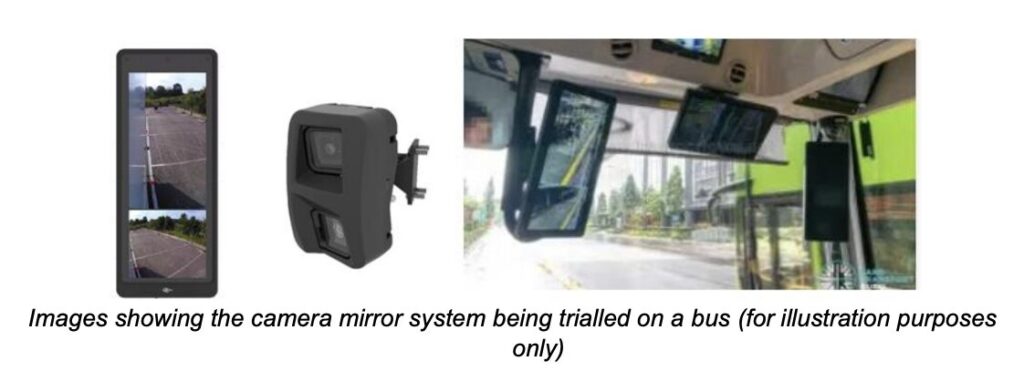
The Taskforce recommends fleetwide camera mirror systems to improve visibility in bad weather and streamlined cabin displays to reduce distractions. They also want more bus stops with facilitation features, currently at seven in ten, and better training for road marshals at worksites.
Singapore’s use of AI could set an example for other cities. If the trial succeeds, we might see it applied to other traffic rules or safety measures. For now, drivers should expect more scrutiny and adjust habits. Staying mindful of bus lanes and their rules will be key as this tech becomes standard.
Summary
The LTA’s AI bus lane enforcement system is a major step toward smoother public transport in Singapore. Using bus cameras and captain reports, it ensures buses stay on track. The Taskforce report adds weight with AI tools, shorter routes, better training, and road upgrades for captains. Drivers need to check signs, use apps, plan routes, stay patient, and keep informed to avoid fines. This system shows tech is reshaping our roads, and staying compliant keeps traffic flowing for all. So, let’s drive smart and keep those bus lanes clear to avoid any lane pain!
credit : https://www.mot.gov.sg/news/Details/supporting-bus-captains-for-safer-public-buses